Know which site you are visiting
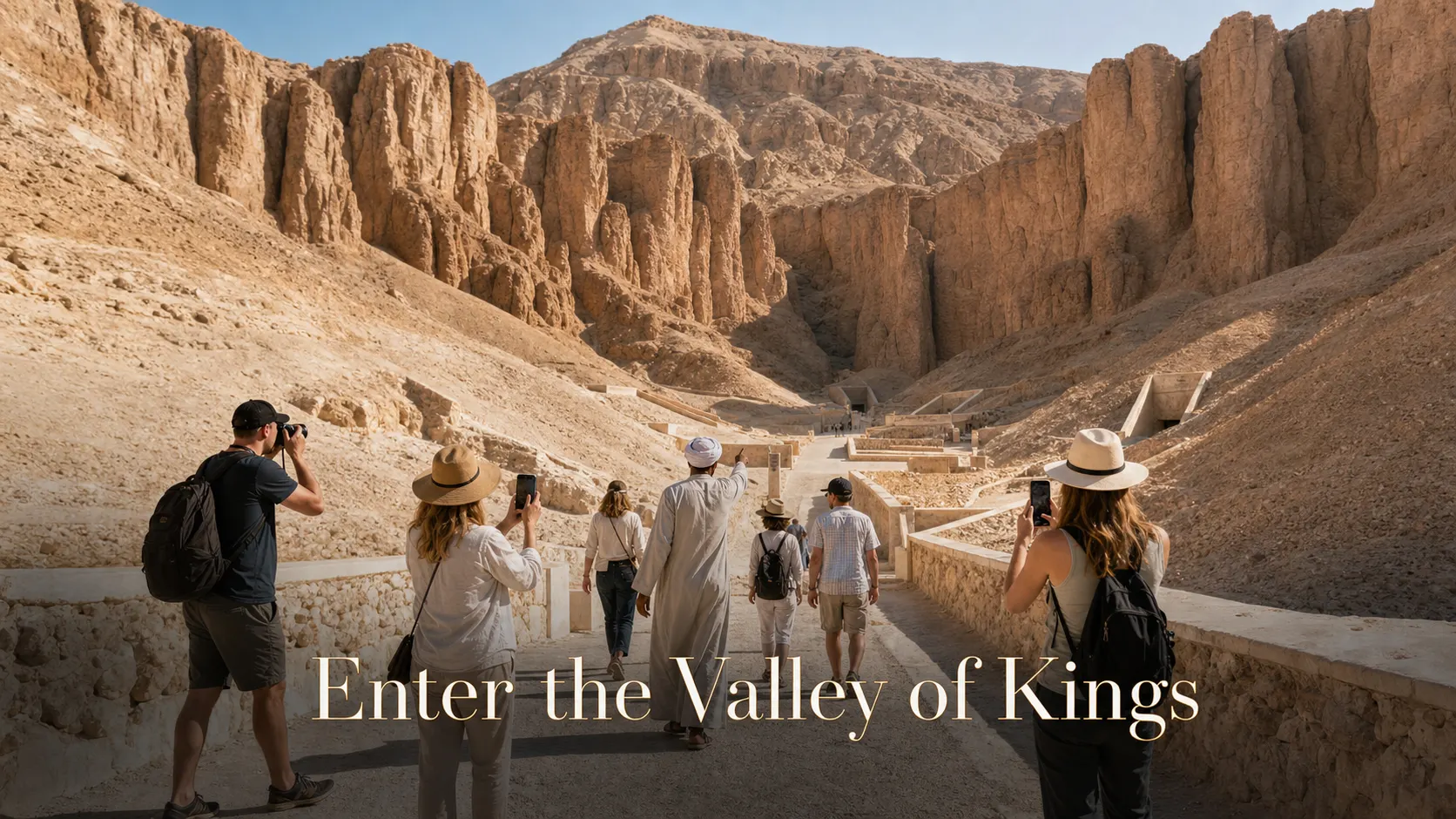
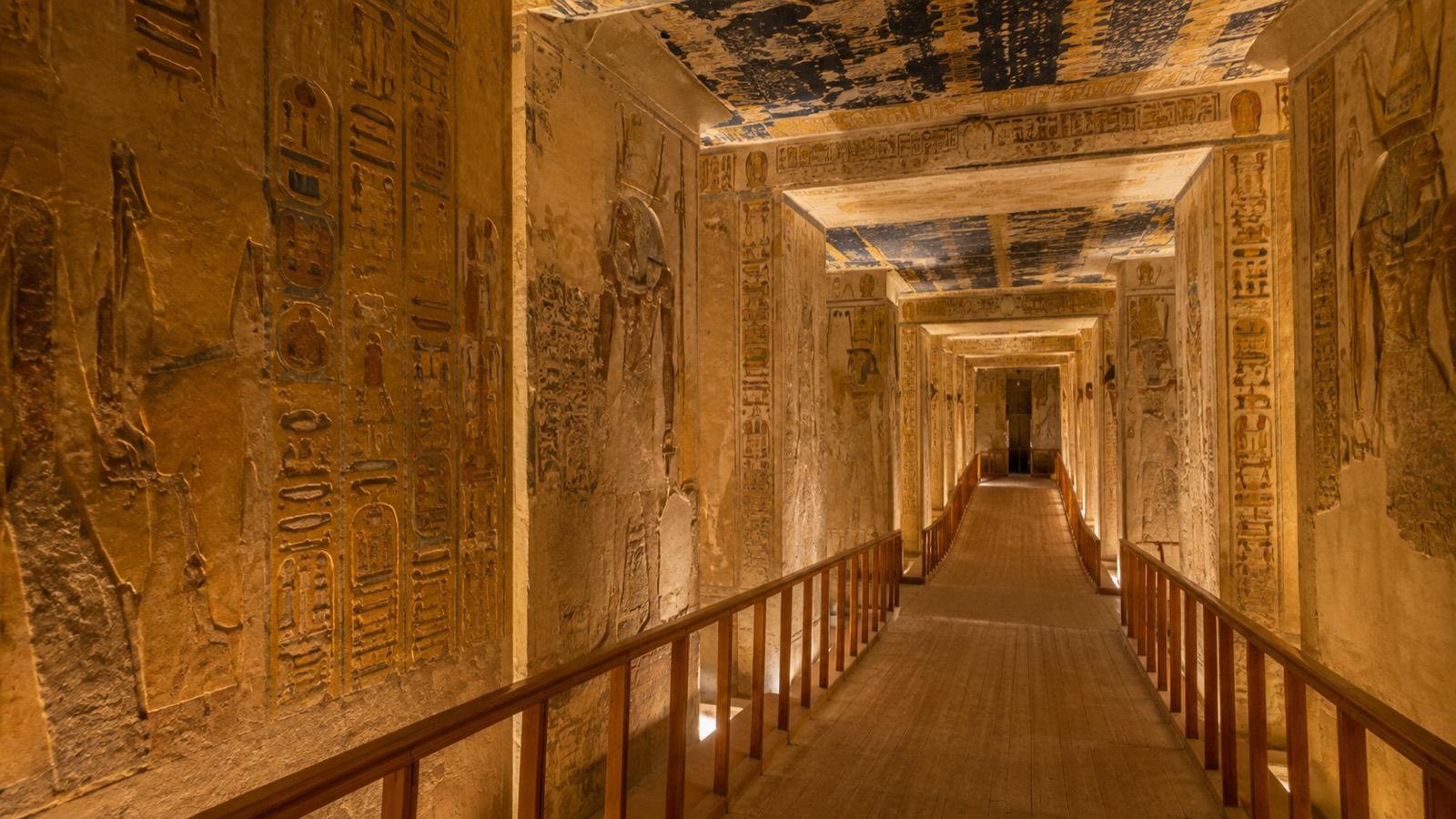
The Valley of the Kings is a royal burial landscape on Luxor’s West Bank, not a museum containing every famous object found in its tombs. Its power lies in the spaces themselves: descending passages, painted surfaces and the landscape that surrounds them. Set aside time to look, not simply to photograph an entrance.
Queen Nefertari’s tomb is in the separate Valley of the Queens. Do not treat it as an additional chamber covered by a Valley of the Kings ticket. If it is important to your trip, ask separately about current access, the admission arrangement and the extra journey. Never assume that a famous tomb is open for your dates.
Separate the general ticket from named extras
A ticket described simply as “Valley of the Kings” should not be read as unlimited access to every tomb. Ask the seller to identify the current general-admission entitlement, the open selection and any named tomb requiring a separate purchase. Make the distinction before paying for a tour package.
The Ministry’s visitor page is a useful starting point for current posted admission and hours, but it does not replace confirmation of the particular products you intend to buy. We deliberately do not freeze a price or an open-tomb list into this guide: those details can change. A screenshot from an older trip is not proof of today’s entitlement.
Choose by interest, not only by fame
Tell your guide what you want to see. One visitor may prefer broad painted ceilings and clear colour; another may want a particular ruler’s history, a longer descent or a close explanation of funerary imagery. Ask for a complementary selection rather than several similar interiors.
Tutankhamun’s name can be a meaningful reason to visit, but it is not a promise that his burial treasures remain laid out inside. If you are considering a higher-priced named tomb such as Seti I, ask what the visit adds to your chosen general entries and how it fits your budget and energy. Choose deliberately rather than treating every supplement as compulsory.
Check the practical ticket details
Before departure, ask whether your quotation includes general admission only, named extras, guiding and any on-site transport. Confirm the current visitor category for every traveller; a student or child concession may require specific evidence. Carry a working physical payment card and keep a backup payment option rather than relying entirely on one phone.
Keep tickets available until the visit is finished and use the official channels identified by your operator or the site. If an unexpected extra is proposed, ask what it covers and whether it is optional. You should be able to decline an additional purchase without losing the visit you already agreed.
Photography: ask about the actual equipment
Do not buy a supposed universal photography pass on the assumption that it covers all equipment and every tomb. Rules can distinguish a phone, a camera, a tripod and commercial work, and restrictions may differ by location. Ask staff before taking photographs and follow current signs inside each space.
Put preservation first: keep your hands and bags away from painted surfaces, do not use flash where prohibited, and avoid blocking a narrow passage for a posed picture. A useful photograph is not worth contact with a fragile wall. If photography is restricted, allow yourself to experience the interior without trying to work around the rule.
Plan for stairs, heat and a slower pace
The valley is an exposed desert setting, while tomb interiors may involve sloping passages, steps and confined spaces. Ask about the route of each proposed tomb if mobility, balance or enclosed spaces are a concern. Accessibility cannot be inferred from the word “private” in a tour name.
Begin demanding sightseeing early when practical, take water and sun protection, and allow time between entries. A short pause can make the next tomb far more rewarding. Decide with your guide which stop to omit if conditions are tiring, and avoid attaching an ambitious full-day circuit to a morning you already expect to find demanding.
A useful message to send before booking
Tell the organiser your date, group size, interests and physical access needs. Ask them to list the proposed general entries, any requested special tombs, ticket inclusions, expected walking and the fallback if a selected tomb is unavailable. Ask when those details will be reconfirmed.
That written outline is more valuable than a promise to see “all the best tombs”. It makes the visit transparent while preserving the flexibility that a working archaeological site needs.
Sources and further reading
Plan this with a local team
Ask us to coordinate private transport, guides and a practical itinerary around your dates.
Plan your tour