Practical Egypt Travel Guide

Egypt Travel Guide: Luxor, Cairo, Aswan & Beyond

Practical, up-to-date advice for planning an Egypt trip — costs, safety, what to wear, temple tickets, Cairo-to-Luxor travel, itineraries and more.

The Grand Egyptian Museum: A Complete 2026 Visitor Guide

The world’s largest museum devoted to a single civilisation is finally open in full. Here is how to see it without wasting the day.

What the GEM is now

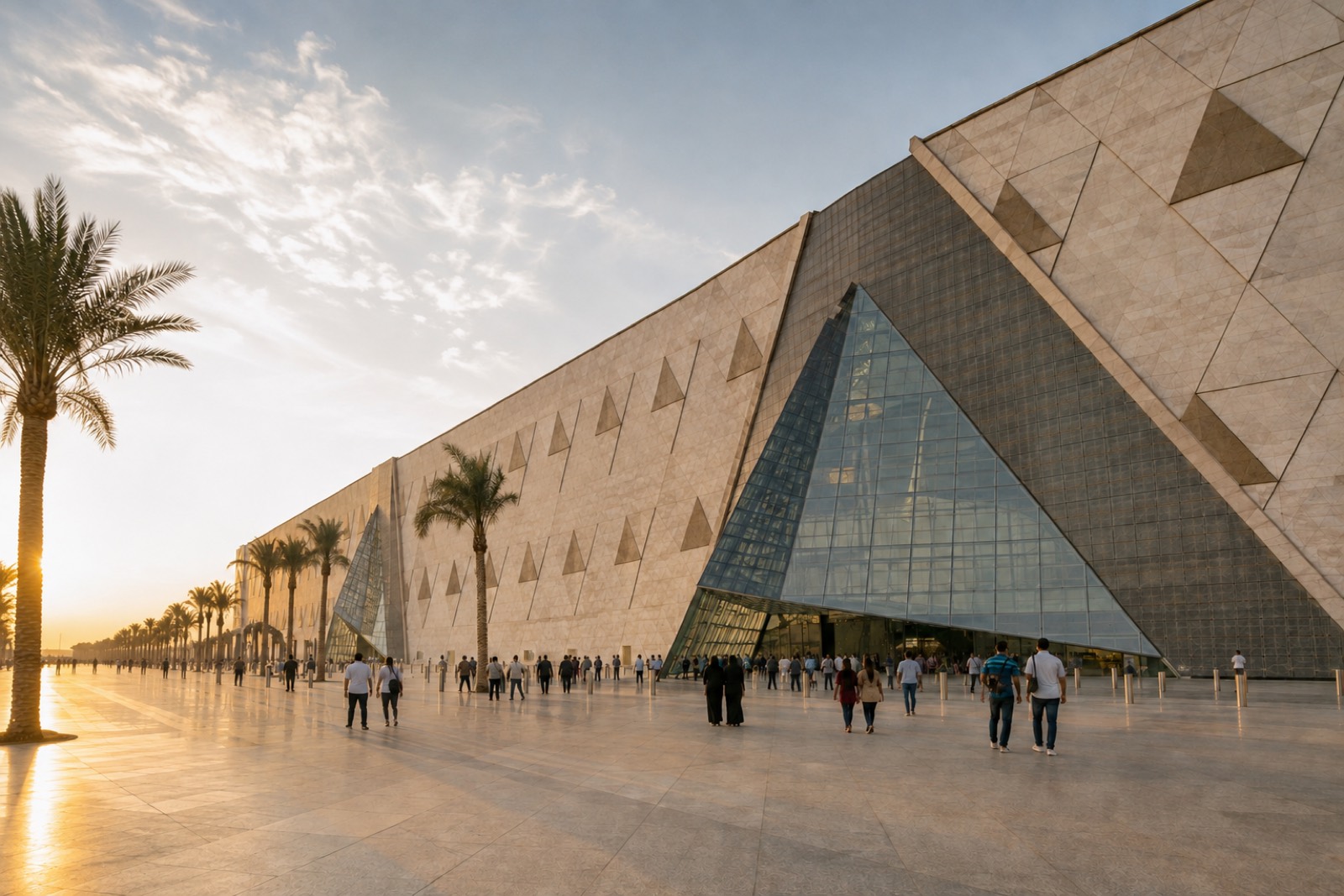
After years of staged openings, the Grand Egyptian Museum is fully operational in 2026 on the edge of the Giza plateau, within sight of the pyramids. It holds more than 100,000 artefacts across a dozen galleries, anchored by the soaring Grand Staircase lined with royal statues.

The complete Tutankhamun collection

For the first time, the entire Tutankhamun treasure, roughly 5,000 objects, is displayed together in purpose-built galleries. This is the busiest part of the museum, so visit it first thing or in the last hours before closing to avoid the crush.

How long you really need

Plan three to four hours as a minimum, and a half day if you like museums. The halls are vast and walking distances are long, so a guide helps you prioritise rather than drift past everything at the same pace.

Tickets, timing and crowds

Entry is timed, and in the December to February peak it is worth booking ahead. Mornings just after opening are calmest, and late afternoon light over the pyramid views from the museum is the photographer’s reward.

Pairing the GEM with Giza

Because the museum sits beside the Giza plateau, the natural pairing is the pyramids and Sphinx in one full day. Build in a buffer for Cairo traffic and the sheer scale of both sites rather than rushing between them.

  • Book timed entry ahead in Dec–Feb.
  • See the Tutankhamun galleries first or last.
  • Wear comfortable shoes; the halls are huge.
  • Allow at least 3–4 hours.
  • Combine with Giza, but not in a rush.

How Much Does an Egypt Trip Really Cost in 2026?

A practical breakdown from backpacker budgets to private luxury, and where the money quietly disappears.

Three broad budgets

Budget travellers can keep daily costs low with simple hotels, trains and local food. Mid-range buyers get good hotels, private transfers and selected private tours, while luxury rises fast through five-star stays, private guides and domestic flights. Private tours are often quoted per group, not per person, so small groups get better value than they expect.

Where the costs hide

The headline tour price rarely includes everything. Site and tomb tickets are usually separate and increasingly cashless, tipping is a real and expected line item, and optional camel rides, boats and special tombs add up quickly.

Why private can be worth it

In Luxor and Aswan, a private car and licensed guide often saves more in time, comfort and avoided hassle than it costs. It matters most in heat, with families, or when you want early starts ahead of the crowds.

Seasonal price swings

Hotel and tour prices can fall 30 to 50 percent in the May to September heat, and climb through the December to February peak. Shoulder months balance comfortable weather with better value.

  • Keep a separate tipping budget.
  • Always ask what a tour price includes.
  • Carry a working card for cashless ticket points.
  • Book balloons and Nile sails early in peak season.
  • Private transport is usually worth it for regional legs.

The Best Time to Visit Egypt and Luxor, Month by Month

When to go for cool temples, calm Nile evenings, thinner crowds, or simply lower prices.

The short answer

October to April is the comfortable window for Upper Egypt. December and January are glorious but the busiest and most expensive, while March and April can occasionally bring khamsin dust and wind.

Winter: December to February

Daytime is near-perfect for temples and tombs, but dawns are genuinely cold, which matters for balloon flights and Nile boats. Expect the highest prices and the largest crowds at headline sites.

Spring and autumn

October, November and March are the value sweet spots, with warm days and lighter crowds. Spring can see the occasional dusty wind, so keep one flexible morning for ballooning.

Summer: May to September

Luxor and Aswan get very hot, often above 40°C, but prices drop sharply and sites are quiet. Early starts, shade and water turn summer from punishing into manageable.

Ramadan and holidays

During Ramadan some opening hours and restaurant rhythms shift, and the atmosphere is special but different. Check the dates for your year and plan meals and timings around them.

  • October and March give the best balance of weather and value.
  • Start sightseeing early in every season.
  • Pack warm layers for winter dawns.
  • Check Ramadan dates before booking.
  • Reserve the balloon for your first clear morning.

The Perfect Luxor Itinerary: 1, 2 or 3 Days

How to balance tombs, temples, a sunrise balloon and the Nile without burning out.

One day in Luxor

Spend the cool morning on the West Bank at the Valley of the Kings and Hatshepsut, then keep the afternoon light for the East Bank temples or a sunset sail. It is a full day, so a private car keeps it from becoming a scramble.

Two days

Open day one before sunrise with the balloon and roll straight into a relaxed West Bank tour while it is still cool. Day two is the shorter East Bank: Karnak and Luxor Temple with a guide, ending on the river.

Three days

Add depth on day three with Abydos and Dendera’s vivid reliefs, a Nile sunset cruise, or a desert quad ride for contrast. Three days is when Luxor stops feeling rushed.

Pacing rules that save the trip

Do the hardest, hottest sightseeing first thing and protect your afternoons. Keep at least one flexible slot for weather, rest, or a balloon reschedule.

  • Do the West Bank before the heat builds.
  • Pair the balloon with the West Bank the same morning.
  • Keep the East Bank for a shorter day.
  • Hold one flexible slot in reserve.
  • Save an evening for the Nile.

Valley of the Kings: Which Tombs to Choose and How Tickets Work

The standard ticket, the special tombs worth paying extra for, and how the cashless system runs.

How the standard ticket works

The general entry ticket lets you into three tombs chosen from the rotation that is open that day. Payment at the gate is increasingly cashless, so carry a working tourist card rather than relying only on phone pay.

The special-ticket tombs

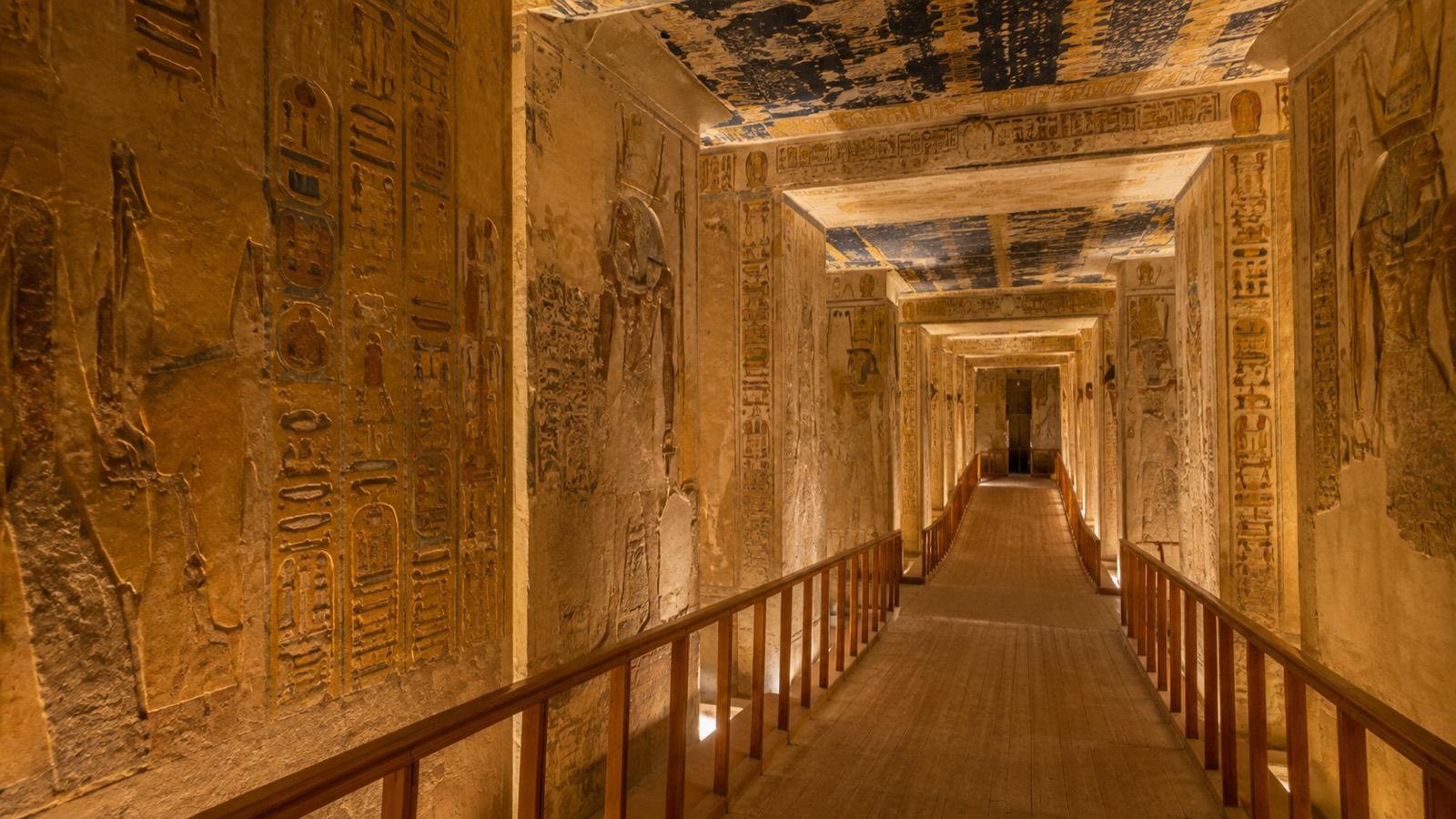
A handful of tombs need a separate ticket: Tutankhamun, the long and richly carved Seti I, and Queen Nefertari’s tomb in the nearby Valley of the Queens. Seti I is the splurge for serious tomb lovers, while Tutankhamun is more about the name than the decoration.

Which open tombs tend to impress

Because the open rotation changes to protect the tombs, there is no fixed best three. Ask your guide on the day which currently open tombs have the deepest colour and finest reliefs, then spend your three entries there.

Photography and etiquette

A separate photo pass is usually required to take pictures inside, and flash is never allowed. Move calmly, keep voices low, and do not touch the painted walls.

Beating heat and crowds

The valley is open, exposed desert with little shade. Arrive at opening, bring water and a hat, and you will see more before the midday heat and tour buses arrive.

  • Carry a working card; many points are cashless.
  • Seti I is the standout special tomb.
  • Arrive right at opening.
  • Buy the photo pass if you want interior shots.
  • Let your guide pick the day’s best open tombs.

Is Egypt Safe for Tourists in 2026?

A realistic look at safety, scams, solo and family travel, and the simple precautions that actually work.

Tourist routes versus advisories

Most visitors stay on well-travelled corridors such as Cairo, Luxor, Aswan, Abu Simbel and the Red Sea, where tourism is heavily supported. Always read your own government’s current advisory, which typically recommends extra caution generally and avoidance of certain border regions.

Scams are more common than danger

The everyday friction is overcharging, unclear camel or carriage prices, unwanted “help” that expects a tip, and pressure at souvenir stalls. Agreeing prices in advance removes most of it.

Solo and women travellers

Many travel happily, especially with private transfers, clear daily plans, and modest clothing in conservative areas. Avoid isolated areas late at night and keep arrangements with licensed operators.

Families and older travellers

The main risks are heat, fatigue and distance rather than crime. Early starts, private air-conditioned transport and a sensible pace make a far bigger difference than most expect.

Health and money basics

Drink bottled or filtered water, carry a card for cashless ticket points, and keep digital and paper copies of your passport. A small first-aid and rehydration kit is worth the space.

  • Agree prices before any optional ride.
  • Use official ticket windows.
  • Book licensed Egyptologist guides only.
  • Keep copies of your documents.
  • Avoid isolated areas late at night.

Luxor vs Cairo vs Aswan: Where Should You Spend Your Days?

Three very different sides of Egypt, and how to split limited time between them.

Cairo for scale and energy

Cairo delivers the pyramids, the Grand Egyptian Museum, mosques, markets and a vast, restless city. It is thrilling and essential, but two to three focused days is usually enough before it tires you out.

Luxor for ancient depth

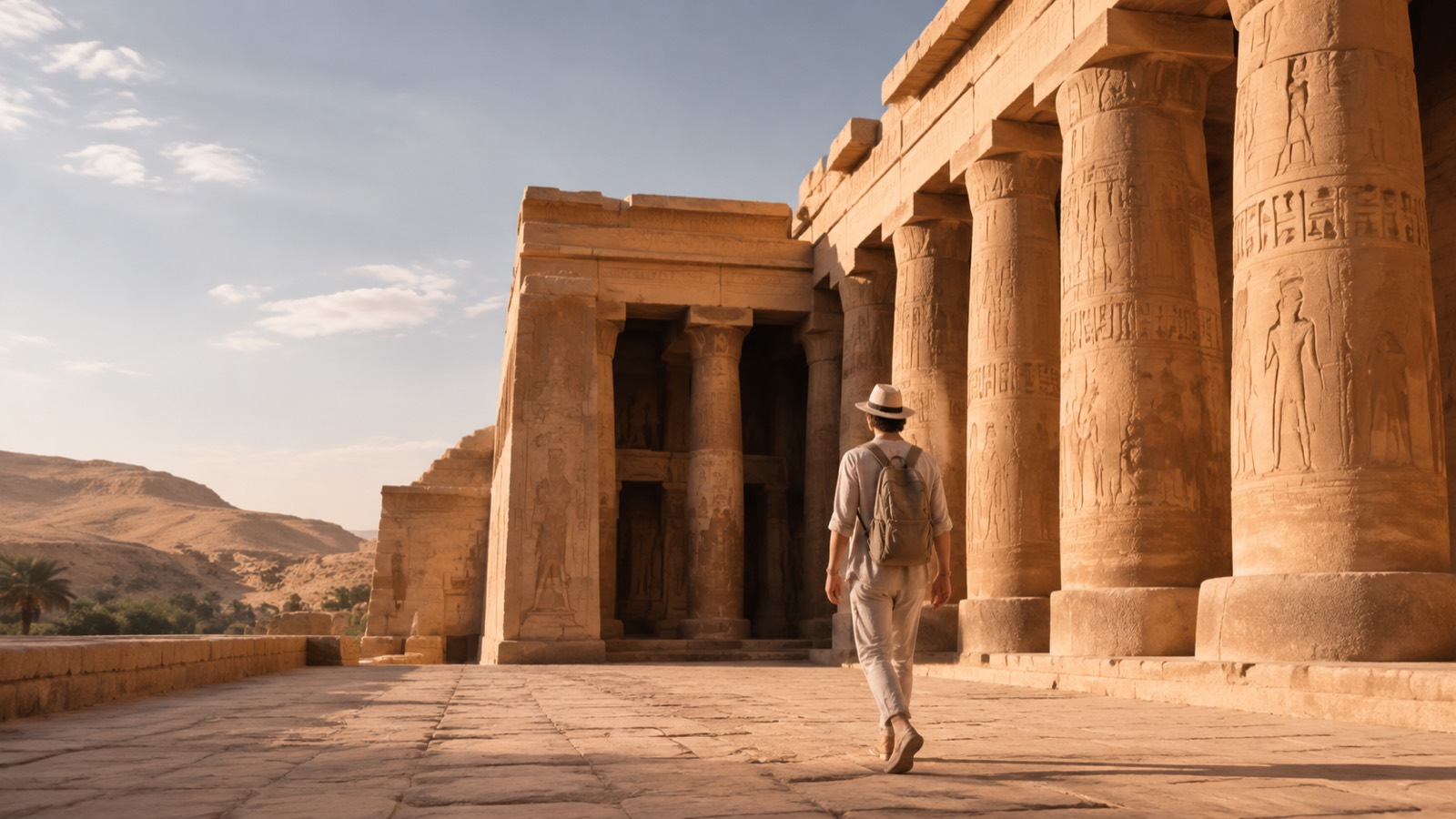
Luxor has the densest concentration of ancient sites anywhere: the Valley of the Kings, Karnak, Luxor Temple and Hatshepsut, all within easy reach. The pace is gentler, and many travellers remember it more vividly than Cairo.

Aswan for calm and the Nile

Aswan is the prettiest, most relaxed stretch of the Nile, with Philae Temple, Nubian villages and the gateway to Abu Simbel. It is the place to slow down after the intensity of Cairo and Luxor.

A balanced first-timer split

A classic two-week trip gives Cairo two to three days, Luxor three, and Aswan two, linked by a short flight or a Nile cruise. If time is tight, protect Luxor first.

  • Give Luxor more time than you first plan.
  • Two to three days covers Cairo’s highlights and the GEM.
  • Add Aswan for the Nile’s loveliest stretch.
  • Link Luxor and Aswan with a cruise.
  • Don’t try to do all three in a few days.

Cairo to Luxor: Every Way to Travel Compared

Flights, sleeper trains, day trains, private cars and buses, and what each one really feels like.

Flight

The roughly one-hour flight is the fastest and easiest option if booked ahead. Add time for airport transfers, check-in and luggage before you assume it beats the train overall.

Sleeper train

The overnight sleeper is a classic that saves a hotel night and connects the cities without an airport. Cabins are functional rather than luxurious, so set expectations accordingly.

Day train

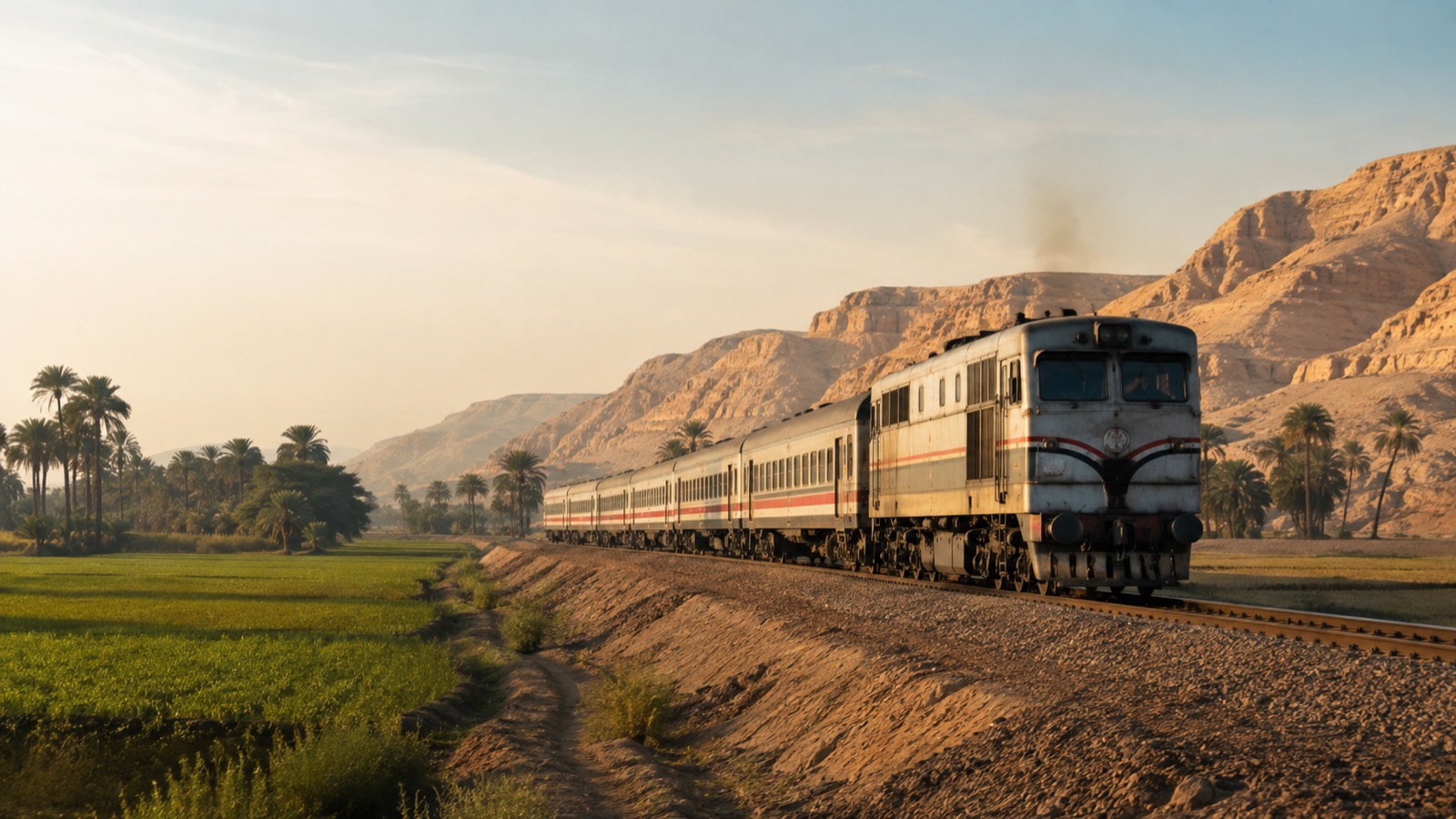
Day trains are cheap, scenic and slow, best for flexible budget travellers with time to spare. They are a genuine slice of Egyptian life but a long sit.

Private car

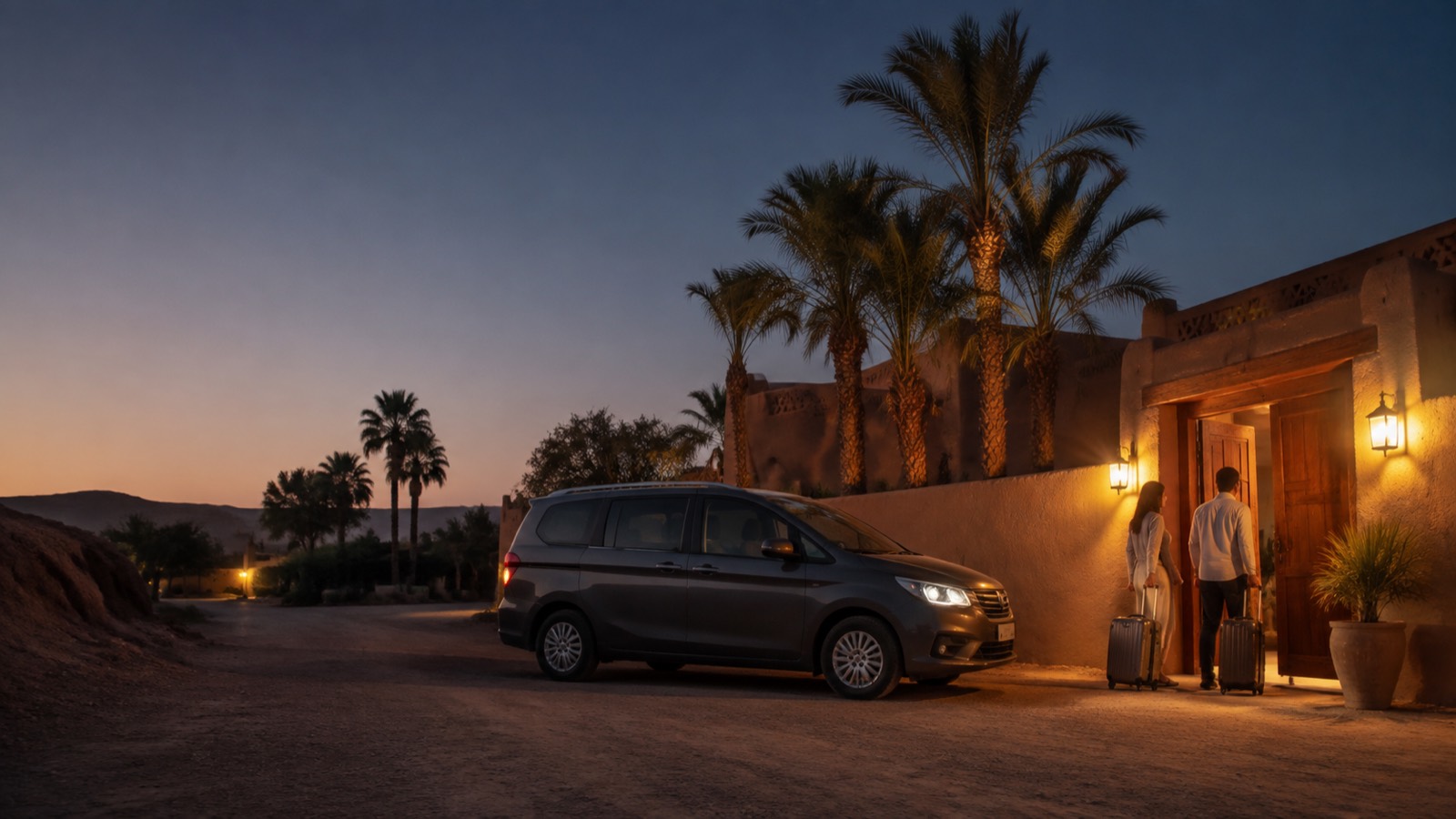
A private car gives full control and the option to break the journey at Abydos and Dendera, at the cost of a long road day. It suits travellers who value stops and comfort over speed.

Choosing by traveller type

Short on time, fly; want to save a night, take the sleeper; on a budget with time, take the day train; love stops and flexibility, drive privately.

  • Don’t schedule a major tour right after an overnight train.
  • Check baggage limits on domestic flights.
  • Keep a buffer before international flights.
  • Consider breaking the drive at Abydos and Dendera.

Nile Cruises and Boat Trips from Luxor: What to Know in 2026

From a two-hour sunset sail to a multi-day Luxor–Aswan cruise, the Nile comeback explained.

The Nile cruise revival

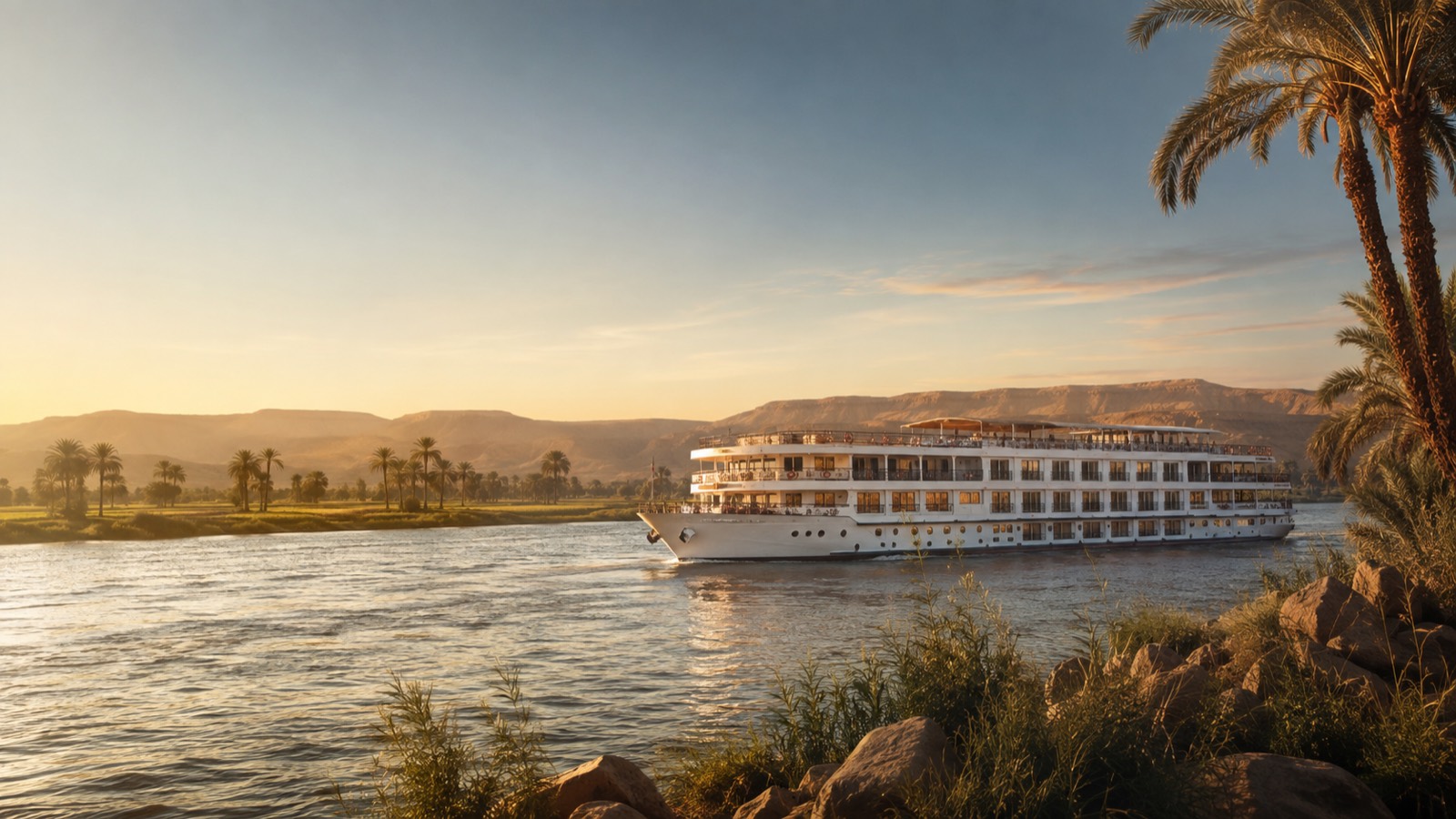
Nile cruising between Luxor and Aswan has come back strongly in 2026, repositioned as premium cultural journeys rather than mass tourism. Demand is high in winter, so the better ships book out well ahead.

Cruise, felucca or sunset boat

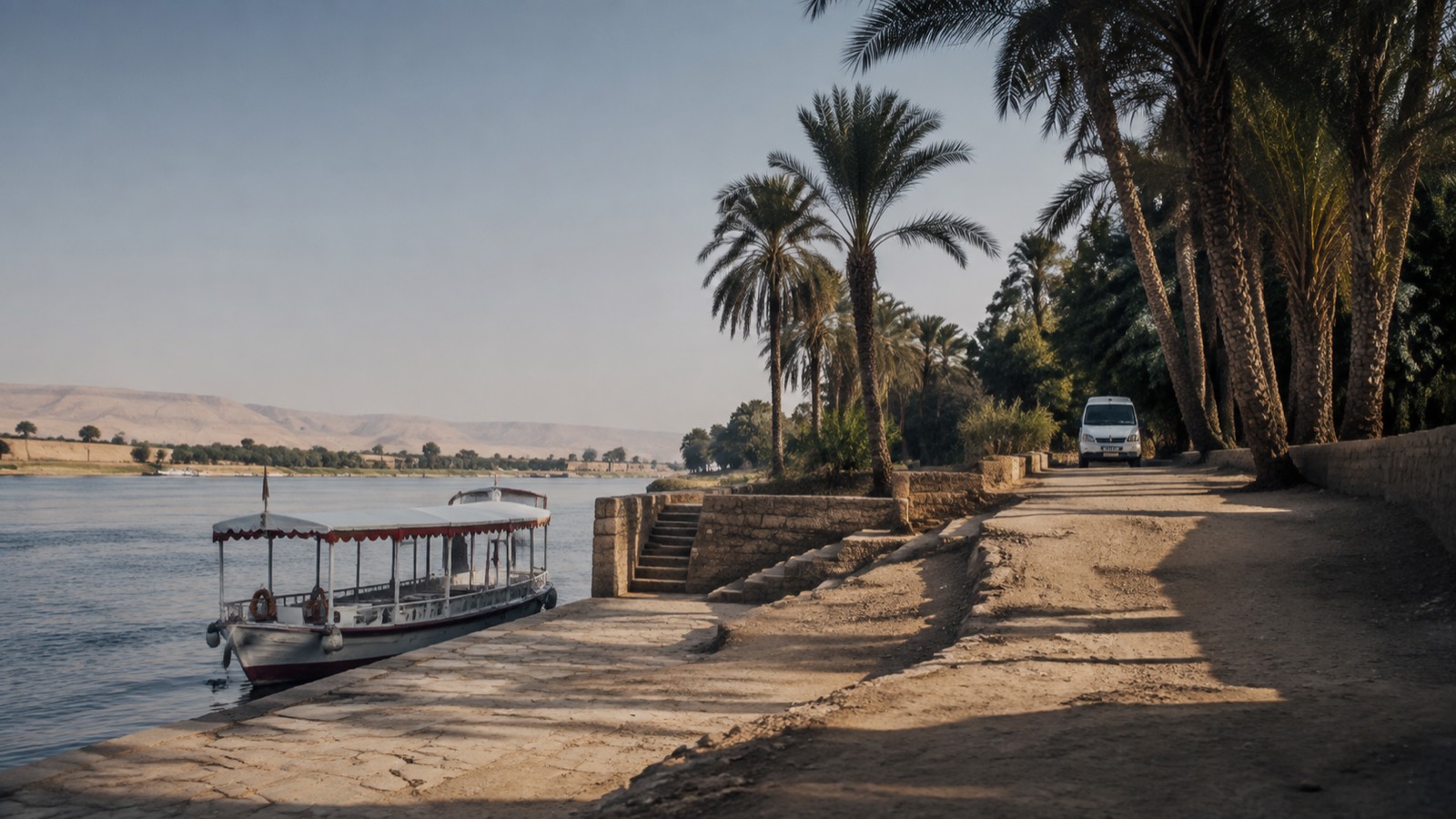
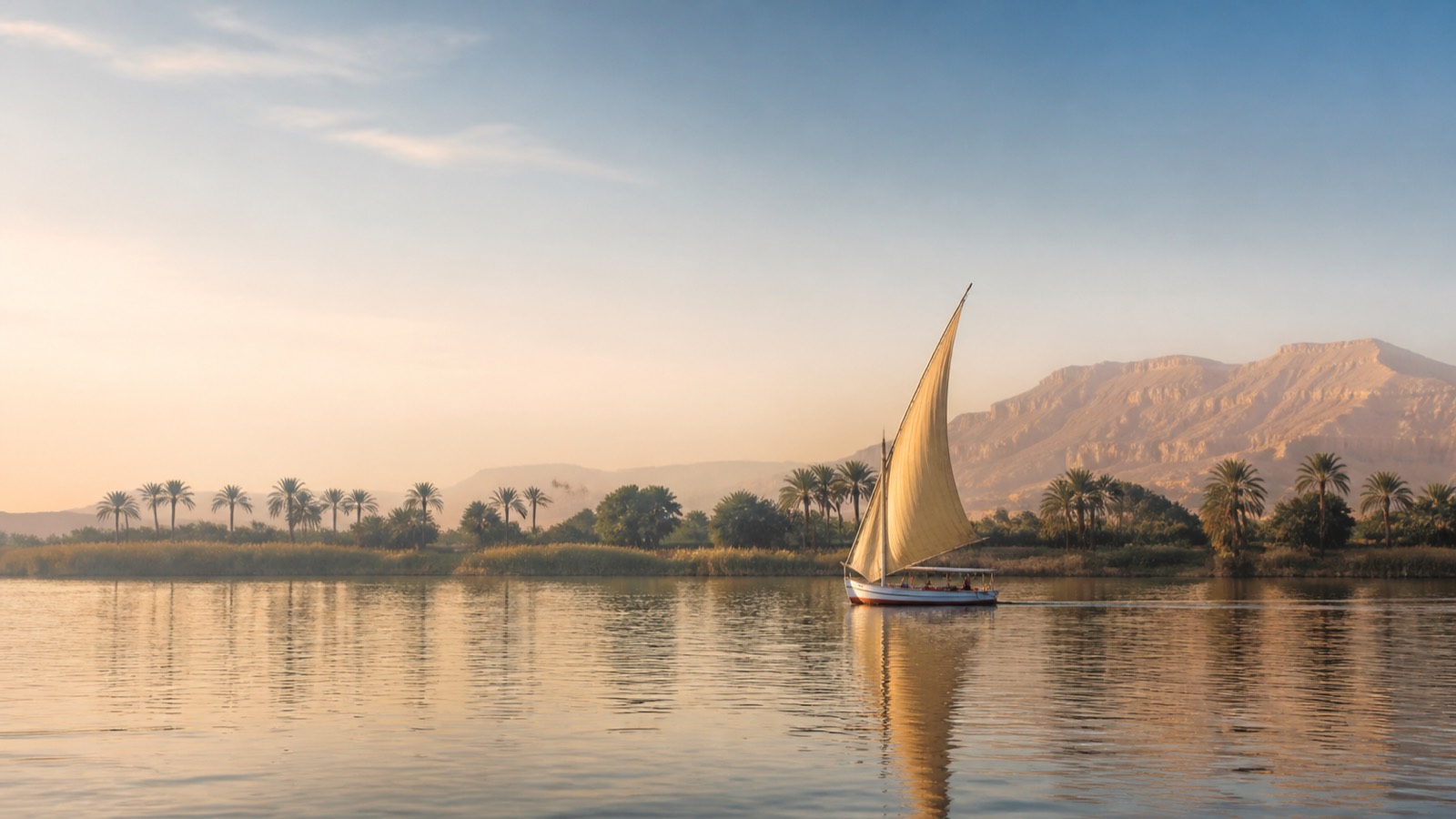
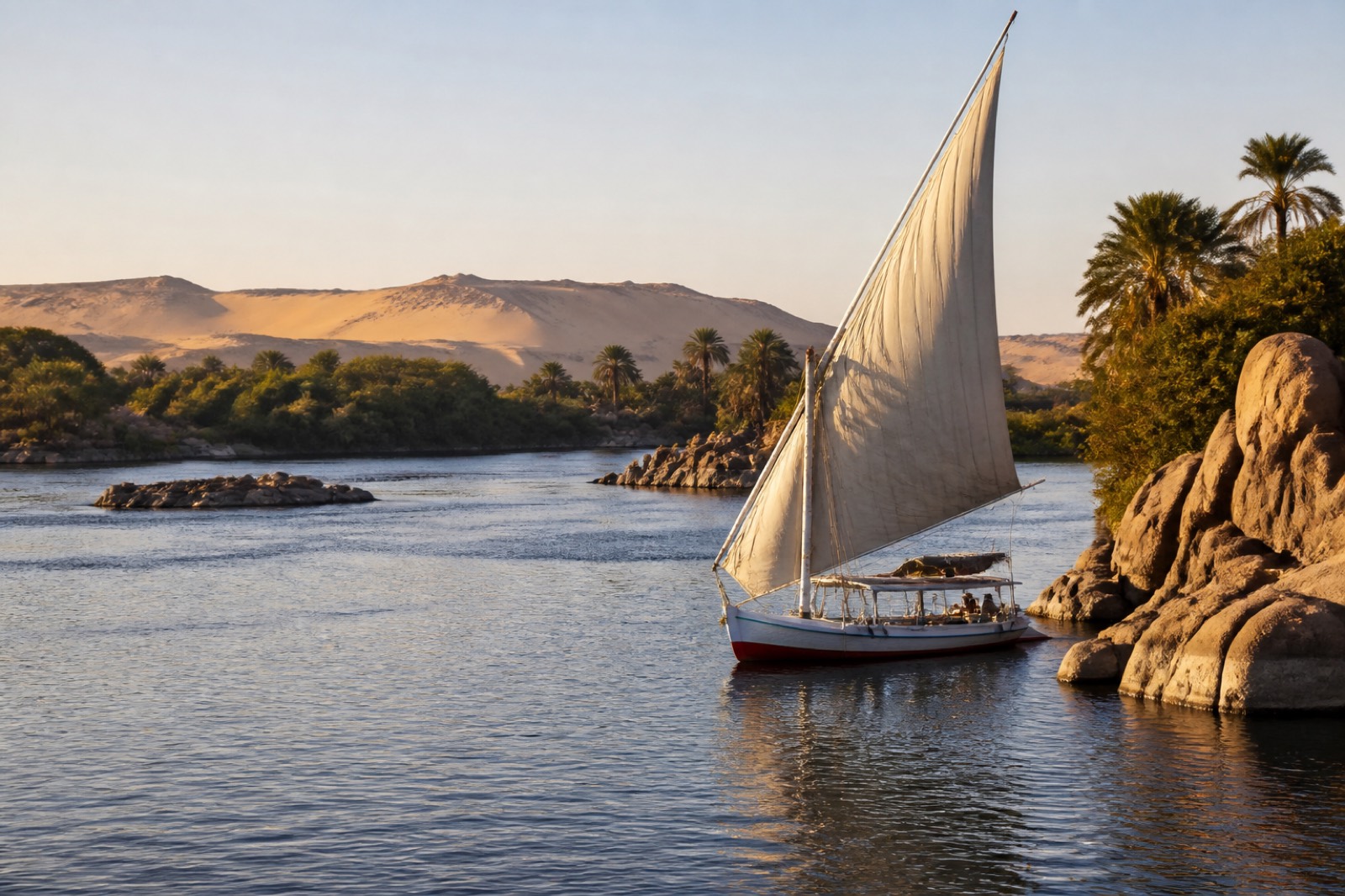
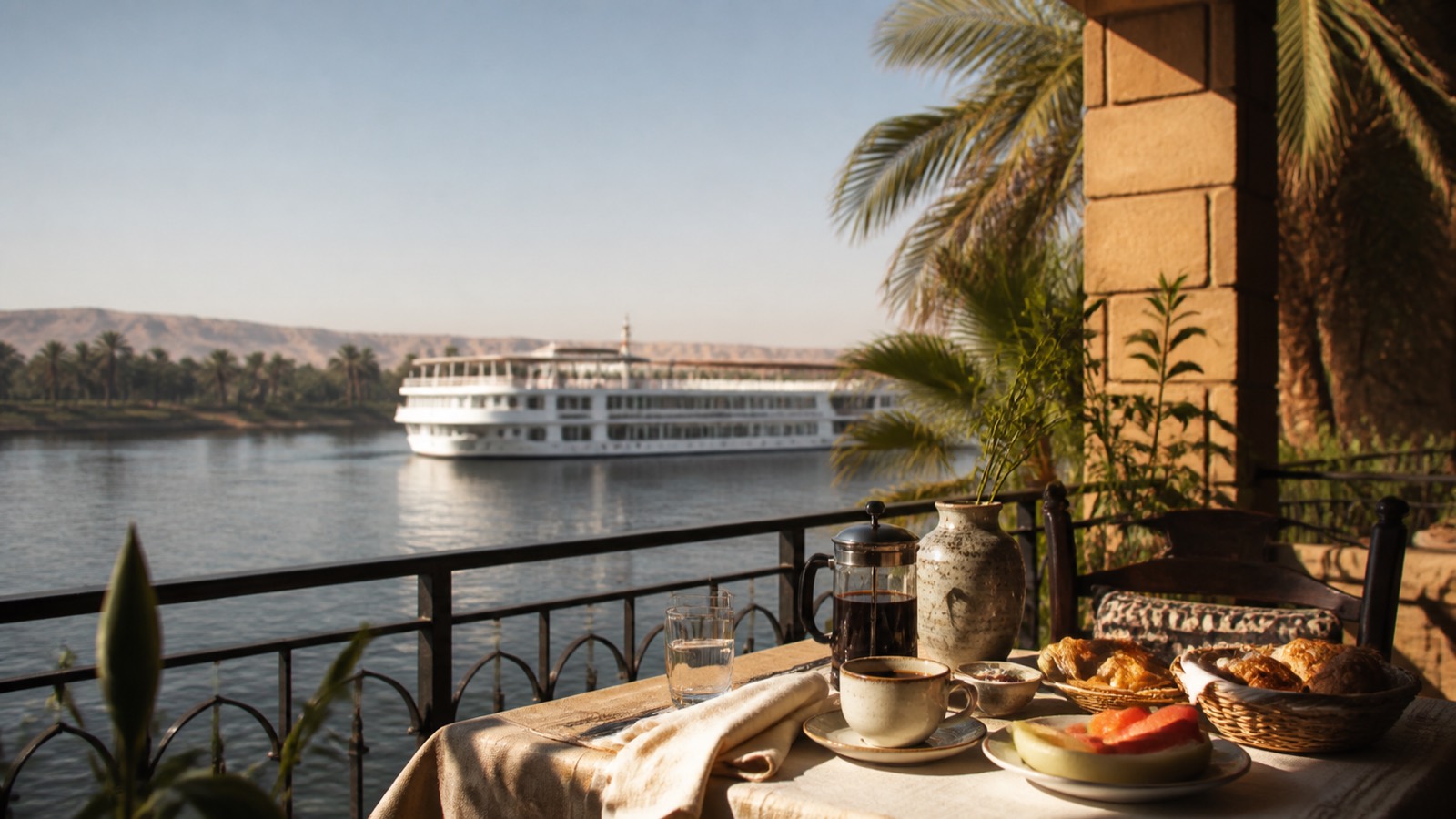
A multi-day cruise ship is a floating hotel with guided stops, a felucca is a traditional wind-powered sailboat for a slow few hours, and a private sunset boat is a relaxed evening with dinner. They differ hugely in time, price and feel.

The classic Luxor–Aswan route

Most multi-day cruises run three to four nights between Luxor and Aswan, stopping at Edfu and Kom Ombo temples along the way. It is one of the most comfortable ways to link the two cities and see riverside sites.

Short sails straight from Luxor

If you do not have days to spare, a private sunset sail from Luxor delivers the river’s magic in a couple of hours, dinner included. It is the low-commitment way to experience the Nile.

Choosing well

Cruise quality varies enormously between boats. Check the specific ship, the exact route and recent reviews before you commit, rather than booking on price alone.

  • Never book a multi-day cruise sight-unseen; check the ship and reviews.
  • A sunset felucca is the easy introduction.
  • Combine a cruise with Aswan and Abu Simbel.
  • Winter evenings get cool on the water; bring a layer.
  • Book winter cruises well in advance.

The Truth About Hot Air Ballooning in Luxor

What the dawn flight is really like, when it cancels, and who should and shouldn’t book it.

It starts very early

Pickup can feel painfully early, well before sunrise, but that is the entire point. The soft dawn light over the Nile and the West Bank is what makes the flight unforgettable.

Weather decides everything

Ballooning depends on wind and official clearance, and flights are cancelled when conditions are not right. A cancellation is frustrating, but it is exactly what a safety-first system should do.

The view is the reason

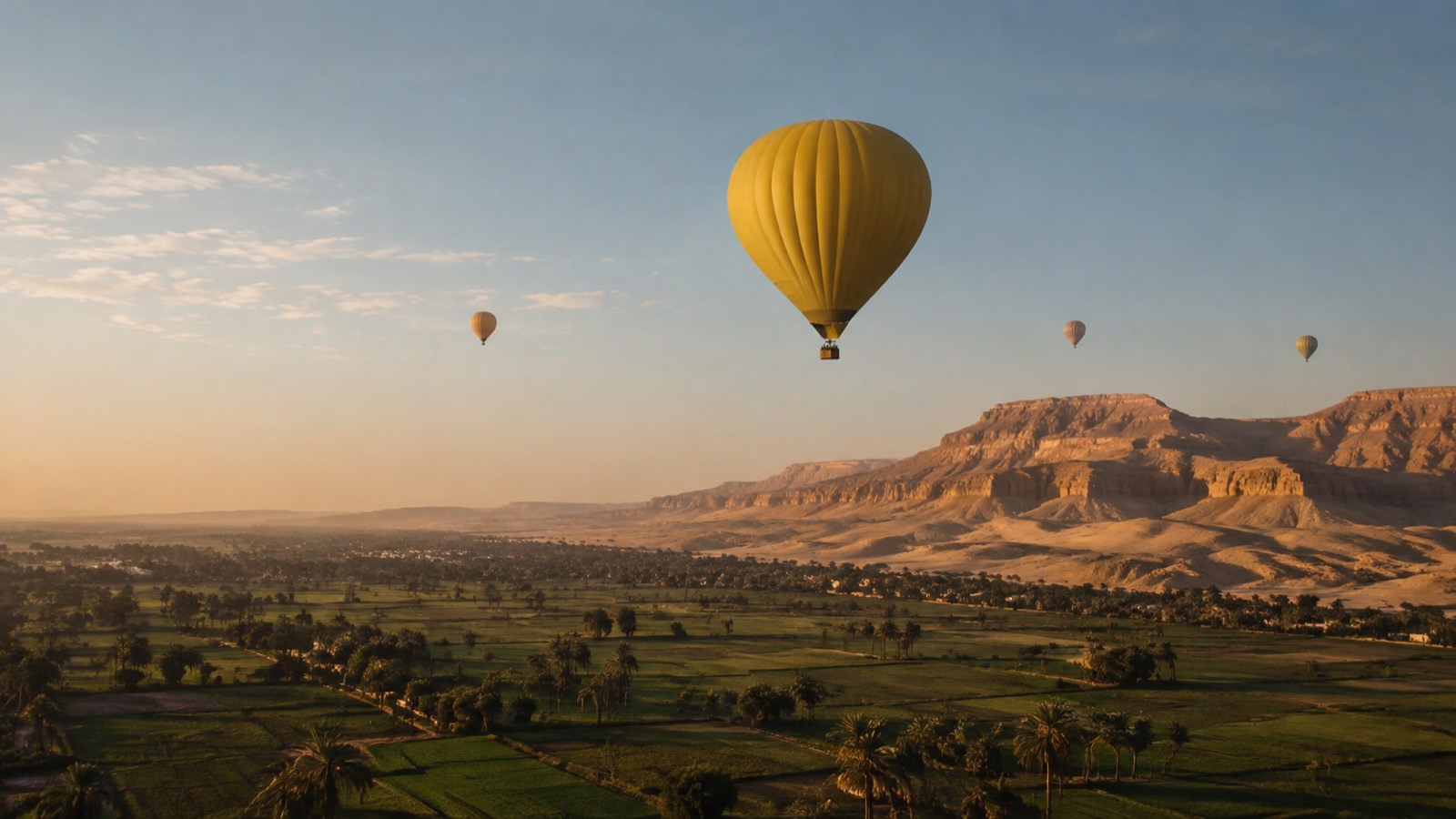
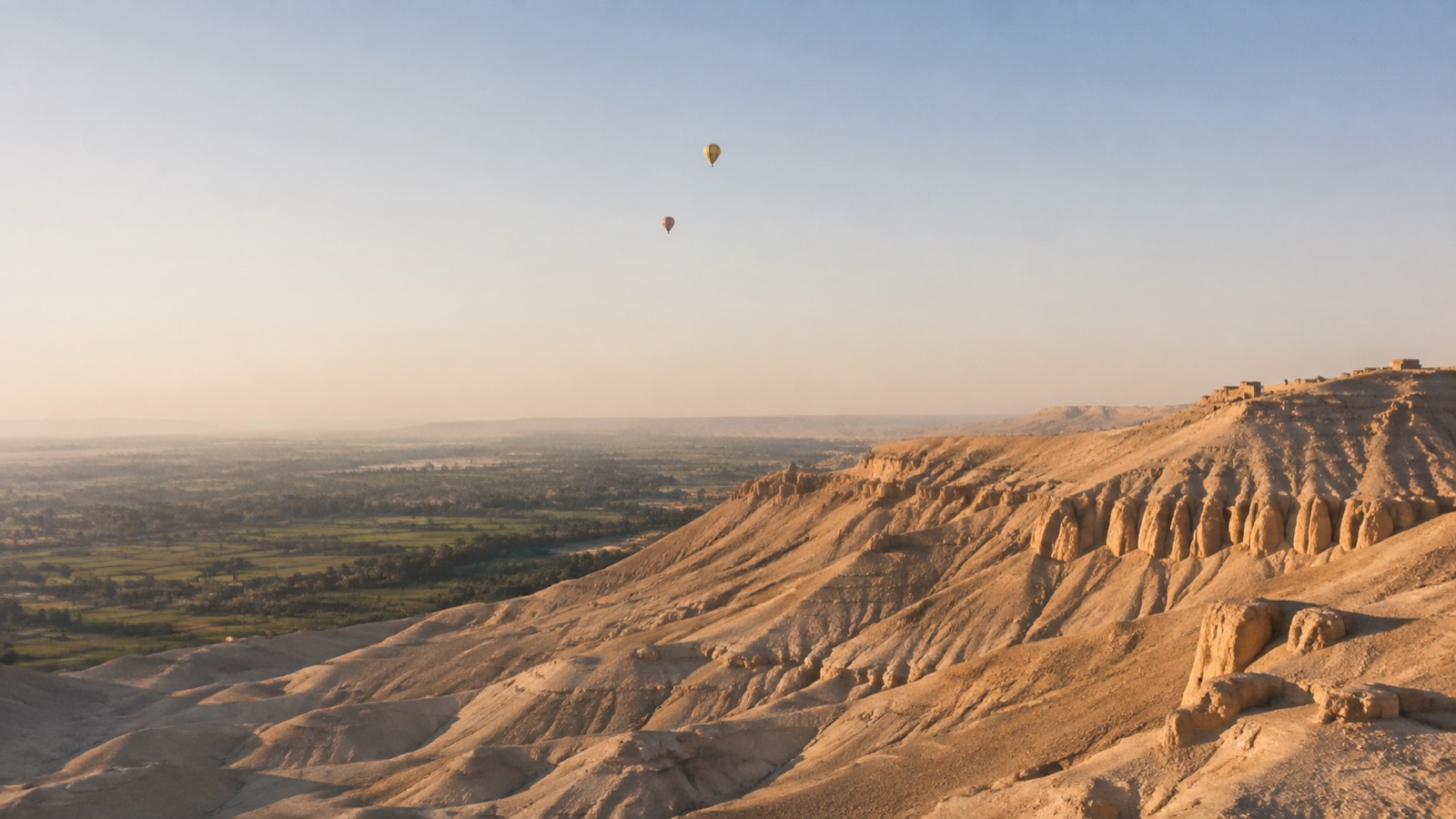
From the basket you see the green valley, desert cliffs, temple outlines and the scale of ancient Thebes in a way no ground tour can match. It is the single best overview of Luxor.

Operators and what to expect

Baskets are shared and can be large, so choose a licensed, well-reviewed operator over the cheapest quote. Flights typically last 45 to 60 minutes from lift-off to landing.

Pairing with the West Bank

The classic Luxor morning is a sunrise balloon followed by a West Bank tour while the air is still cool. It is the most efficient and atmospheric way to use the early hours.

  • Keep the next morning flexible in case of a reschedule.
  • Wear layers in winter.
  • Pair the flight with the West Bank.
  • Skip it if you hate heights or early starts.
  • Choose a reputable, licensed operator.

What to Pack and Wear in Egypt

Practical clothing and kit for temples, desert, boats, mosques and chilly balloon mornings.

Clothing basics

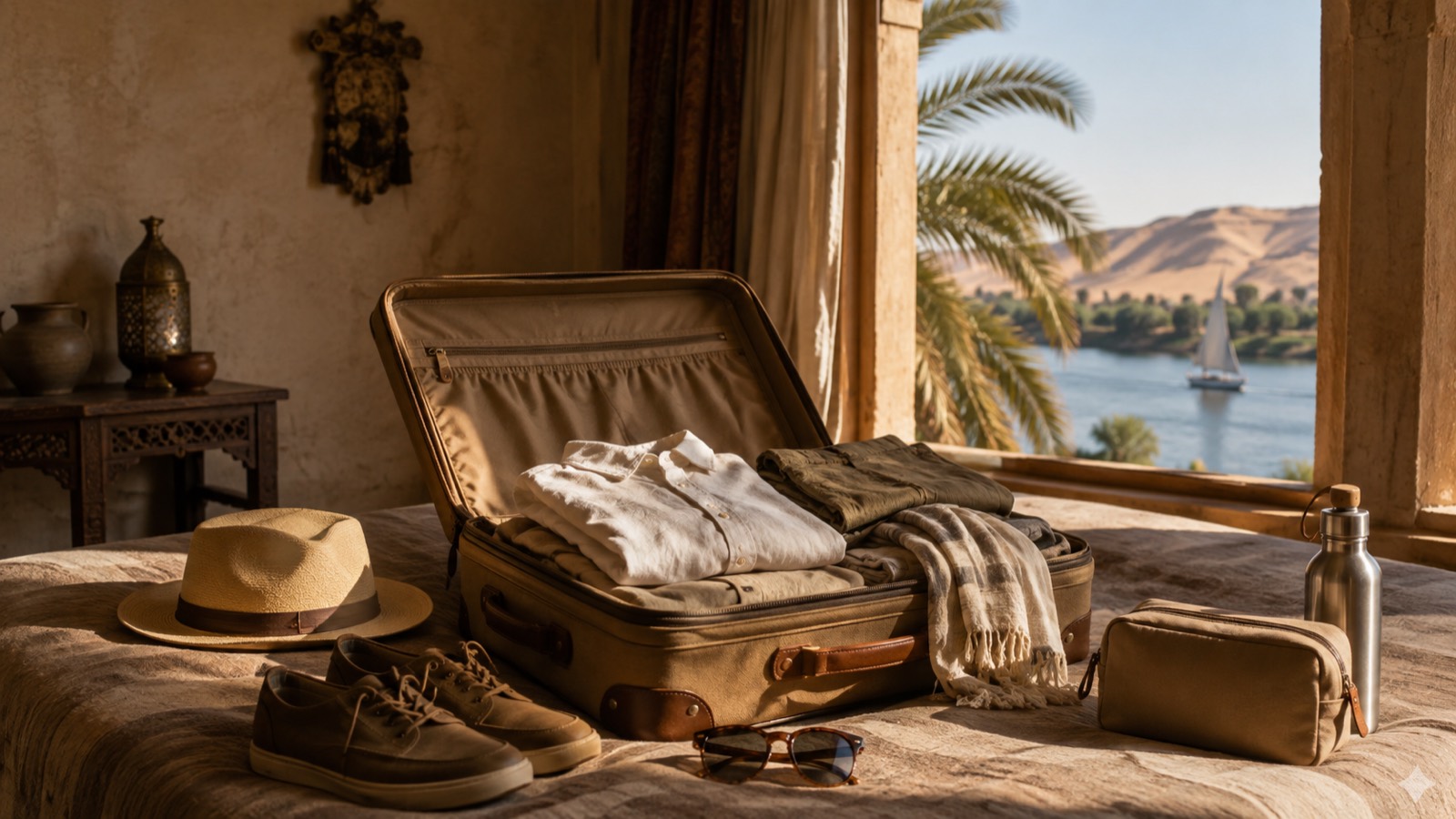
Pack light, breathable, loose clothing in natural fabrics, leaning modest. Covering shoulders and knees keeps you comfortable in the sun and respectful at mosques and conservative areas.

Sun and heat kit

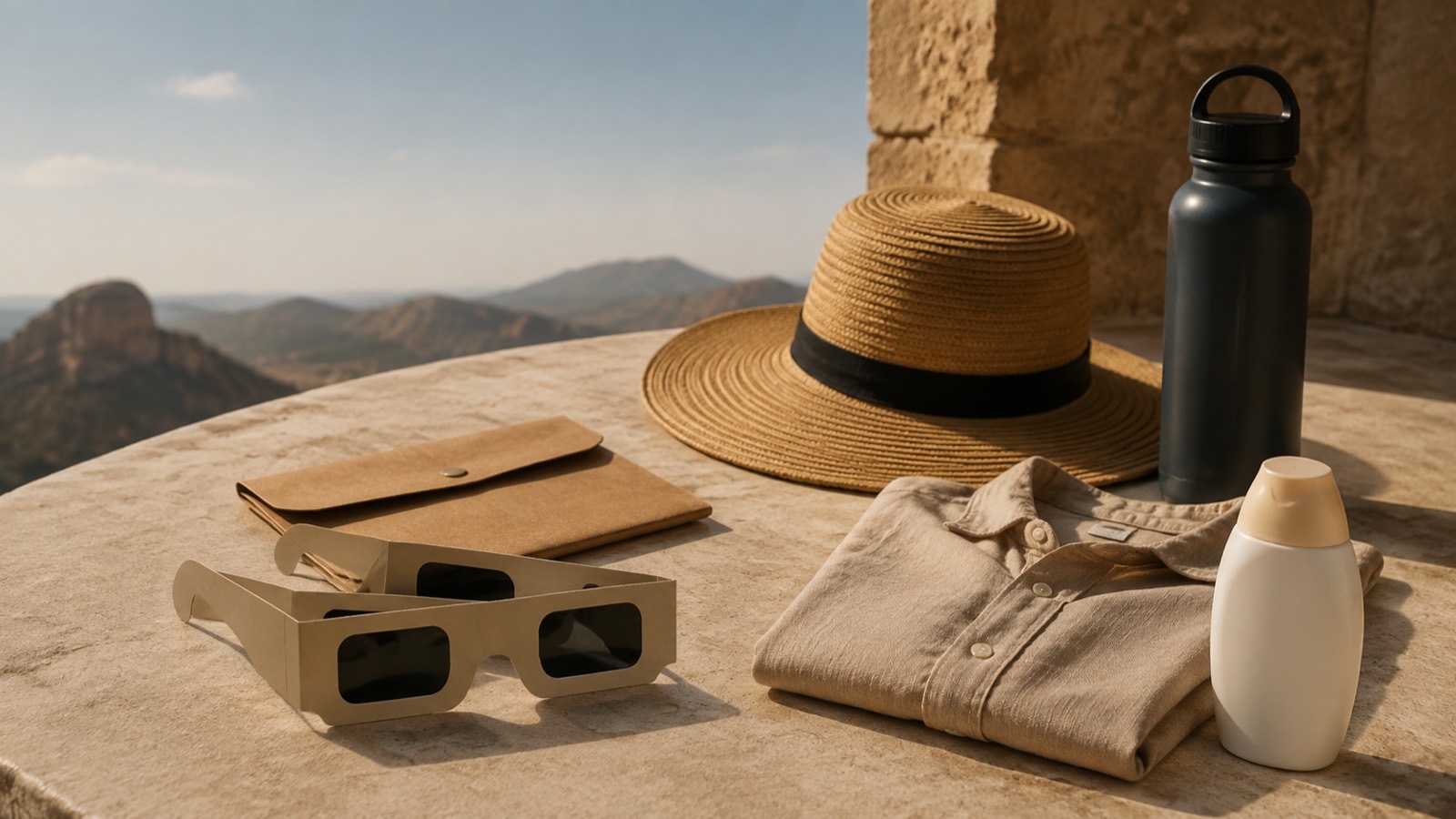
A wide-brim hat, good sunglasses and high-SPF sunscreen are non-negotiable, even in winter. Carry a refillable water bottle, because temple days are long and exposed.

Layers for dawn and water

Winter mornings, balloon flights and Nile evenings can be genuinely cold despite warm afternoons. One light insulating layer and a scarf cover almost every situation.

Feet and dust

Closed, comfortable shoes beat sandals on rubble at temples and in the desert. A scarf doubles as dust protection on windy days and quad rides.

Daypack essentials

Keep a working tourist card for cashless tickets, small notes for tips and toilets, any personal medication, and copies of your passport in your daypack.

  • Pack a scarf for sun, dust and mosques.
  • Closed shoes beat sandals at sites.
  • Bring a card for cashless tickets.
  • Carry small notes for tips.
  • Add a light layer for dawns and boats.

12 Mistakes First-Time Visitors to Egypt Make

The avoidable planning errors that quietly turn a dream trip into an exhausting one.

Trying to see everything

Egypt rewards slower pacing. Cairo, Luxor, Aswan, Abu Simbel and the Red Sea can all fit one trip, but not every day should be a race against the clock.

Underestimating heat and distance

Temples are vast, exposed and often far apart. Early starts, shade breaks and private transfers make a bigger difference than first-timers ever expect.

Getting the money setup wrong

Many official ticket points are now cashless, so a working tourist card is essential, while small Egyptian pound notes remain vital for tips, toilets and snacks. Arriving with neither causes real friction.

Booking blind

The biggest regrets come from booking a Nile cruise, guide or tour without checking the specific ship, person or reviews. Five minutes of research prevents most disappointments.

Skipping a licensed guide

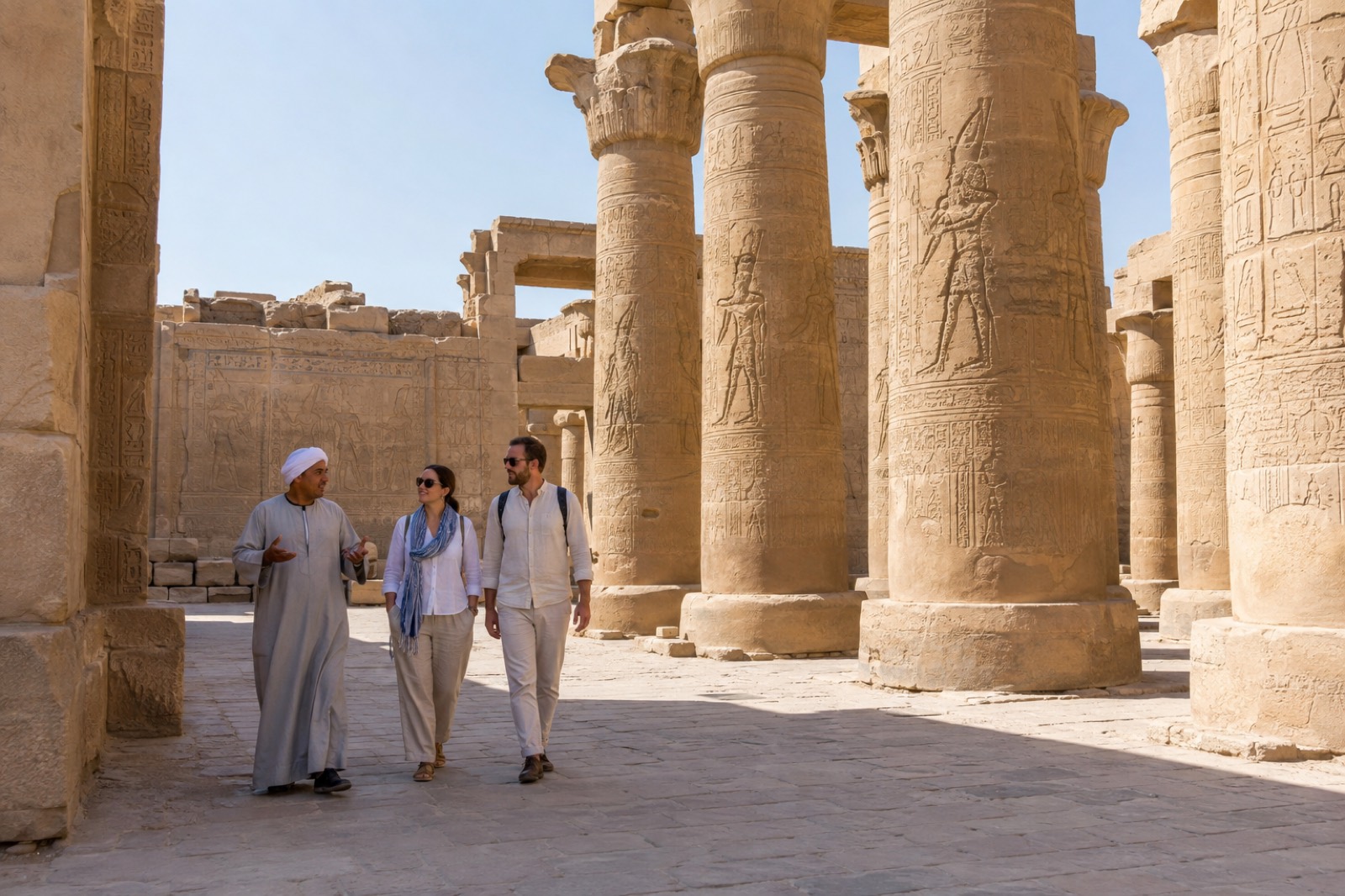
Without context, even the greatest sites can blur together. A licensed Egyptologist turns stone into story and helps you navigate tickets, pacing and crowds.

  • Start major sightseeing early.
  • Keep small notes separate from larger cash.
  • Carry a working card for cashless tickets.
  • Verify any cruise, ship or guide before booking.
  • Use licensed Egyptologists, not touts.
  • Build rest time into Luxor and Aswan days.